
B.J. Armstrong shares insights on the challenges of transitioning from the Bulls to the Warriors: ‘I realized quickly that the NBA is a whole different ball game
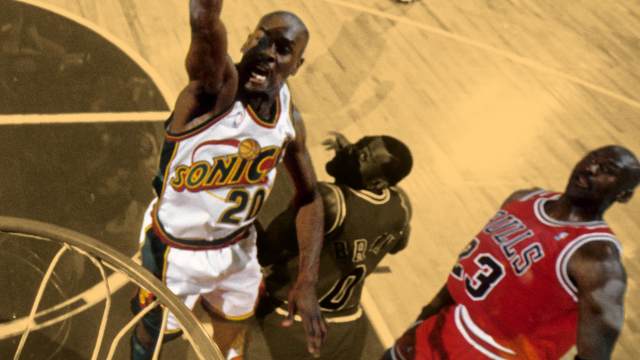
B.J. Armstrong on the Harsh Realities of Leaving the Bulls for the Warriors
When B.J. Armstrong left the Chicago Bulls, he wasn’t just leaving a legendary squad—he was stepping into a whole new world. Few NBA transitions have been as eye-opening as Armstrong’s leap from a dynasty to a team struggling to make its mark. As one of the key contributors to Chicago’s first historic three-peat in the 1990s, Armstrong’s journey sheds light on just how different the NBA landscape can look once you’re out of a championship bubble.
A Dream Start Turns Complicated
After a standout college tenure with the Iowa Hawkeyes, Armstrong entered the 1989 NBA Draft as a hot prospect. Still, a pre-draft injury saw him slip to the Bulls with the 18th pick. In Chicago, he flourished alongside Michael Jordan, later earning an All-Star selection in 1994. Yet as the Bulls eyed a new chapter, Armstrong found himself unprotected in the 1995 Expansion Draft.
Instead of a trade, Armstrong was scooped up by the Toronto Raptors as their first overall pick, only to be shipped to the Golden State Warriors for a package of players and draft rights. This move was driven by Chicago’s need to make cap space for Dennis Rodman and Michael Jordan’s return. The decision was as much about business as basketball—a perspective not lost on Armstrong.
“I Realized Quickly the NBA is a Whole Different Ball Game”
On former teammate Bill Cartwright’s podcast, Armstrong reflected, “When I got traded, I’d only known the Bulls. So I didn’t know any other system of play other than what I learned there in Chicago. And I learned very quickly that the NBA is much different, when I left Chicago.”
The Warriors of the mid-90s were packed with talent—Latrell Sprewell, Chris Mullin, Tim Hardaway, and others were all putting up double-digit points. But that didn’t translate to wins: Golden State finished 36-46 in 1995-96 and slipped to 30-52 the following season. The energy and expectations Armstrong felt in Chicago were gone, making the adjustment much tougher. “We had some good players. We had some injuries… but I really learned how special those moments were in Chicago, because in Chicago, all I knew was that I was preparing to win games. It’s really hard to win in this league.”
Perspectives from Around the League
Armstrong’s experience isn’t unique. Many former stars have faced challenges after leaving powerhouse teams. As seen with retired Giants players, moving away from a winning culture can mean managing new systems, personalities, and the harsh reality of fewer wins.
Veteran NBA coach Tex Winter’s old mantra, “Winning covers a multitude of things,” echoes throughout Armstrong’s story. Success in Chicago masked many issues that other organizations couldn’t hide, highlighting the influence that structure, culture, and leadership have within the league.
The Impact of a Dynasty and Lessons Learned
Armstrong never recaptured the high of his Chicago days, though he later played for the Charlotte Hornets and Orlando Magic before returning to finish his career with the Bulls. His journey stands as a case study in the crucial role environment plays in player success. As the NBA continues to evolve, with evolving player movement and salary considerations (see NBA contract debates), Armstrong’s story remains relevant. His words show that even top talent can struggle when the chemistry and culture aren’t right, an issue echoed throughout sports, from NFL training camp trades to the latest UFC salary changes.
Armstrong’s reflections may also resonate with athletes battling challenges off the court or field—including addiction, as highlighted by recent UFC champion stories. Success is rarely just about stats and scores; sometimes, it’s about finding the right place and people to bring out a champion’s best.
Source: sports.yahoo.com