
Exploring NBA Player Rankings by Position: Key Statistics and Insights on the Second Apron
As the NBA landscape gets more competitive each season, ranking players by position gives fans and analysts a clearer view of where the league’s talent truly lies. With the arrival of the new Collective Bargaining Agreement (CBA) and its challenging second tax apron rules, teams not only need to build around top talent, but also maneuver within the league’s increasingly complex financial framework. Let’s break down what’s happening in player rankings, key stats, and how the new rules are shaping team strategies.
NBA Player Rankings: The Top Tiers by Position
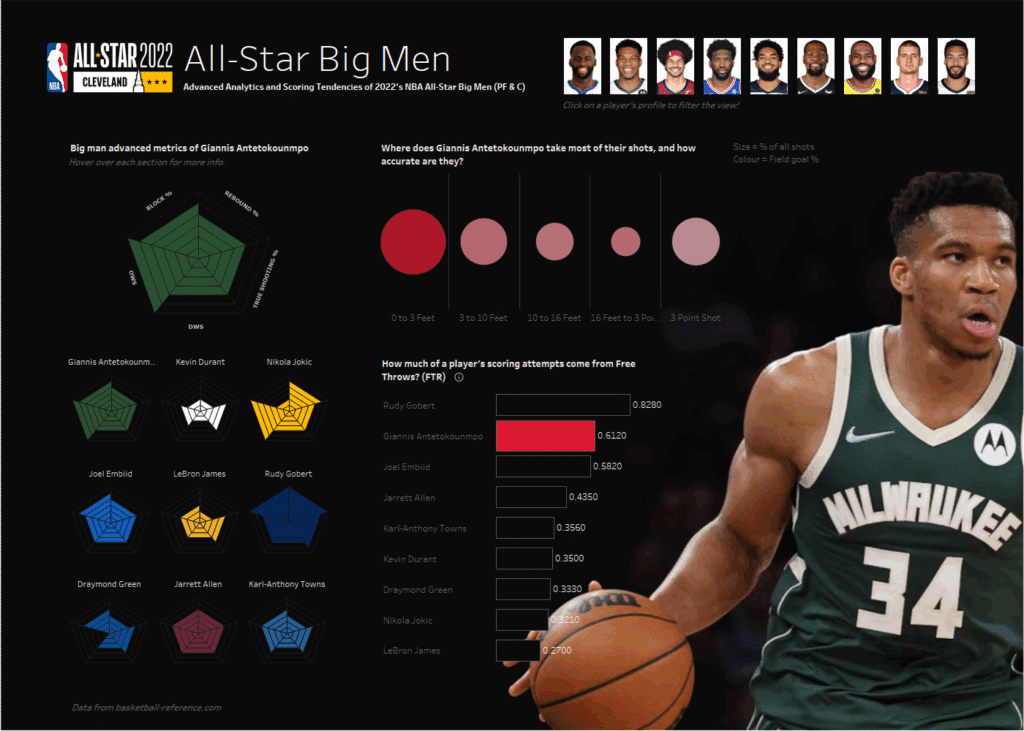
For the 2025/26 season, analysts like Zach Harper have rolled out comprehensive lists, categorizing both the top 40 big men and lead guards into seven stacked tiers. At the summit of the big men category stands just one player: Nikola Jokic, the Denver Nuggets’ three-time MVP. In contrast, the lead guards’ top tier is more populated, with Shai Gilgeous-Alexander, Luka Doncic, and Stephen Curry taking those spots.
Interestingly, Giannis Antetokounmpo, a two-time MVP and typically regarded as one of the league’s best bigs, was excluded from the big category for this exercise, a move that sparked debate among fans and analysts. Dig into more about top NBA stars and their impact on the global stage.
Key Stats That Define Team Success
For every team, there’s always that one statistic that could either help them leap to the next tier or drag them down. Take the Sacramento Kings: when Domantas Sabonis, DeMar DeRozan, and Zach LaVine shared the floor last season, the Kings were outscored by over 120 points per 100 possessions—a massive gap that signals chemistry and defensive issues.
On the flip side, the reigning champion Oklahoma City Thunder are returning players who covered a staggering 99.2% of all their playoff minutes. That kind of roster consistency is rare and could be the secret to a potential repeat.
The Second Apron: Changing How Teams Are Built
The league’s new second apron regulations have thrown a wrench into traditional team-building. No longer is a fat checkbook and a willingness to spend the only requirement for building a superteam. A league executive explained, “Before, they just kept hiking the price of being over the tax limit. But now you have things like limitations on trades and loss of draft position. It’s not just money; it’s limiting to your operations.”
This new reality hit hard for teams like last year’s champion Boston Celtics, who essentially had to break up their roster because the apron’s penalties went far beyond just monetary fines. For those looking to understand how teams try to work around these changes, check out this deep dive into Celtics’ roster moves.
Team owners and GMs are echoing similar concerns. Another executive anonymously said, “Every transaction now needs to be weighed much more carefully. The risk is higher than ever, and it’s going to keep the market volatile.”
Diverse Perspectives: Winners, Losers, and Surprises
This summer, the Western Conference dominated improvements, claiming seven of the ten most upgraded rosters, according to David Aldridge. The revamped Houston Rockets top the list, but perhaps the real shock is seeing the Charlotte Hornets in the sixth spot.
There’s a lot of debate among analysts about overrated and underrated teams as the new rules come into play. For a more in-depth look, visit team value assessments. Meanwhile, player comparisons like Jalen Hurts versus NBA stars keep fueling cross-sport conversations.
Source: www.hoopsrumors.com