
Analyzing Every NBA Team’s Key Roster Weakness: What Needs to be Addressed?
Analyzing Every NBA Team’s Key Roster Weakness: What Needs to Be Addressed?
The NBA offseason is wrapping up, and teams are gearing up for another grueling campaign. While some franchises look rock-solid, others still have noticeable holes heading into training camp. Let’s dive into what each team needs to address to have a shot at the playoffs or a deep postseason run, according to recent league trends and expert analysis.
The Landscape: Glaring Gaps and Subtle Shortcomings
Even for championship contenders, it’s rare to find a flawless roster. As Kevin Pelton, statistical analyst and NBA consultant, points out: “Most teams are always one piece away, but the good ones know how to cover those gaps by developing players or making shrewd midseason moves.” The new collective bargaining agreement’s salary cap restrictions have forced teams to get creative, especially those in the middle of a rebuild or stuck in the luxury tax crunch.
Spotlight on Problem Areas: By the Numbers
Playmaking, center depth, and perimeter defense show up as the most common weaknesses among NBA squads. For some, like the Atlanta Hawks, the lack of a true second-unit playmaker saw the offense dip by 10 points per 100 possessions whenever their star Trae Young hit the bench. Meanwhile, the Boston Celtics face uncertainty at center, relying on untested options after years of stability at the position.
Other pain points stand out in the stats:
- The Chicago Bulls ranked 29th in turnovers forced, lacking any real defensive disruptors after trading away Lonzo Ball.
- Orlando Magic shot the lowest team 3-point percentage since 2016, even after aggressive offseason roster moves.
- Golden State Warriors found themselves with just 10 contracted players as of training camp, pending the saga of restricted free agent Jonathan Kuminga.
Expert Opinion: Front Office and Analyst Insights
Teams employ a variety of strategies to paper over roster holes, but there’s no substitute for real depth. According to a former NBA consultant, “Younger teams sometimes look to improve short-term at the expense of cohesion, which rarely works out unless the player development pipeline kicks in fast.”
ESPN’s Anthony Slater details how the Warriors are expected to quickly fill their roster out—once Kuminga’s contract saga ends, free agents like Al Horford and De’Anthony Melton will likely join up. Meanwhile, for the Brooklyn Nets, the gamble on teenage rookies Egor Demin and Nolan Traore at point guard could mean a season of growing pains.
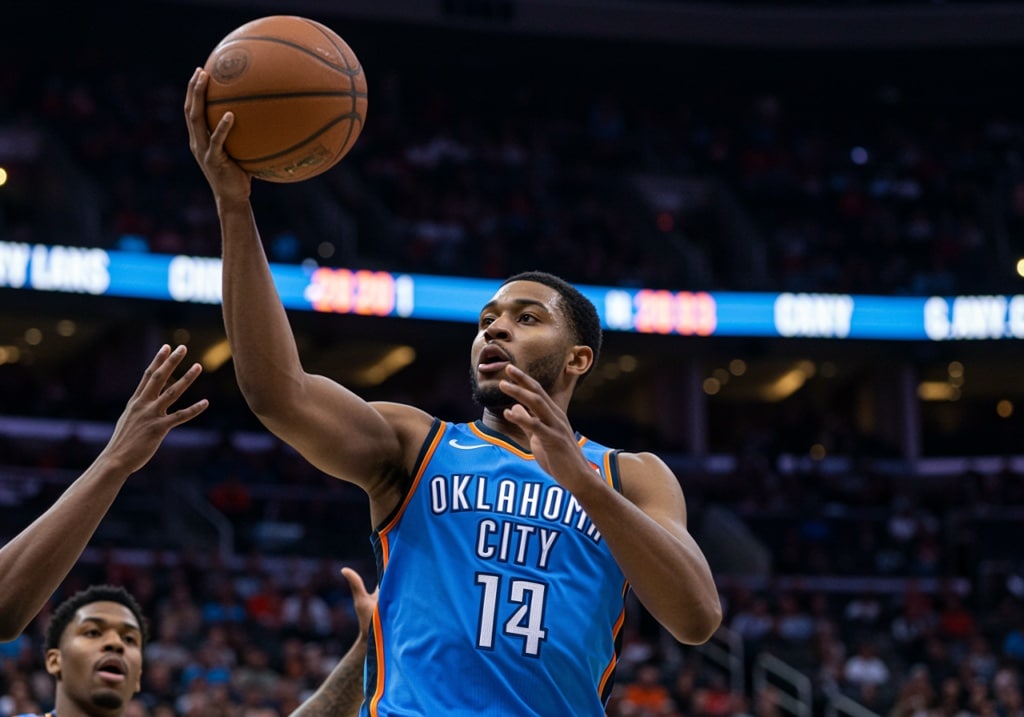
Each front office faces unique challenges—contending teams like the Oklahoma City Thunder mostly have minor issues to tweak, while others, such as the Portland Trail Blazers, are hoping not to fall apart if injuries strike their thin backcourts.
Varied Perspectives: What Different Teams Face
Across the league, solutions depend on a team’s trajectory:
- Rebuilding squads (e.g., the Washington Wizards) often prioritize collecting young talent over fixing positional issues, but sometimes end up with glaring holes, like lacking a true power forward.
- Contenders (think Milwaukee Bucks) bank on depth and hope their stars stay healthy, but a recent Achilles injury to Damian Lillard leaves them with big questions at point guard, as detailed in this in-depth roster analysis.
- Teams on the cusp (like the New York Knicks) try to bolster rotations with veterans but might lack reliable contributors beyond the ninth man.
External analysts also weigh in—according to Coaching Staffs Rankings at ATB Network, it’s clear that a strong, prepared staff is essential for developing bench players into reliable options.
What’s Next? Looking Toward the 2025-26 Season
Every NBA team enters the season with some kind of roster question mark. Whether it’s plugging a single hole or fixing systemic issues, how organizations address weaknesses—through the draft, trades, free agency, or internal growth—will determine who rises and who falls. As training camps loom, fans and front offices alike will watch closely to see which teams adapt and which are left clinging to hope as the season tips off.
Source: www.espn.com