
Dan Hooker criticizes UFC for canceled tickets: ‘I won’t exert myself for a company that shows me no respect
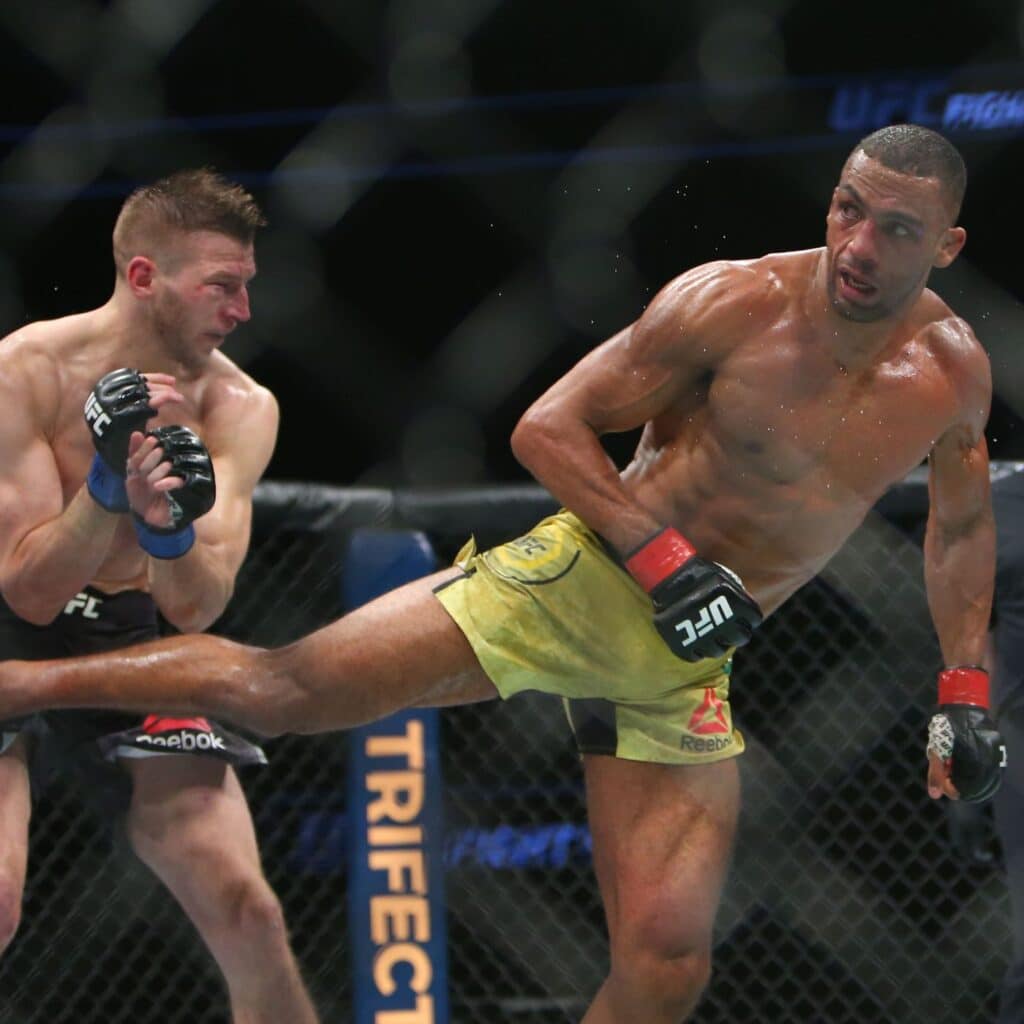
Dan Hooker Calls Out UFC Over Canceled Tickets: Respect Matters More Than Quick Returns
Dan Hooker, a well-known name in the lightweight division, is no stranger to answering the call for the UFC. But after a recent experience left him feeling slighted, he’s speaking out, making it clear that respect is now at the heart of his relationship with the promotion—even ahead of his own fighting ambitions.
Behind the Scenes: From Fight Prep to Disappointment
As the UFC gears up to return to Perth on September 28, expectations were high that Hooker, who represents New Zealand, would be involved despite just recovering from a major hand surgery in March. Originally, he was ready to jump back into the octagon for the event, but everything changed during fight week for UFC 317 in June. Traveling to Las Vegas to support his teammate Kai Kara-France for his high-profile flyweight title shot, Hooker did not expect the turn his trip would take—after failing to attend a UFC commitment early in the morning due to the time difference, his tickets to the event were canceled.
“They tried to get me out of bed at 7:30 in the morning eastern time—which is three in the morning New Zealand time,” Hooker told Submission Radio. “I had an early night, but I’m not getting out of bed at three in the morning to do just about anything. They canceled my tickets to Kai’s fight, and so it’s like, I’m going to rush back and fight injured for a company that’s going to cancel my tickets?”
Fighter Loyalty vs. Business Realities
The incident left Hooker wondering if years of dedication and high-profile performances—filled with “blood, sweat, and tears”—were going unnoticed. “I thought there would have been a bit more respect there. But there’s not, which is cool, business is business. We can fight on my terms then. I’m not going to break my back for a company that doesn’t respect me.”
The UFC, as a business, has its own priorities. With a strong stable of lightweight contenders and champions—like Ilia Topuria and potential challengers such as Arman Tsarukyan and Justin Gaethje—the organization often keeps options open to maximize both business flexibility and fan engagement. Hooker points to this as a savvy move: “The UFC is smart as f*ck; they never paint themselves into a situation where there’s a clear No. 1 contender, because negotiations become very difficult. Now, they always have three guys that could justify shot at the title.”
Financial Fairness in the Cage
Hooker also spoke out about fighter compensation, particularly the pay difference for championship rounds. He argued that the extra five minutes (championship rounds extending from three to five) come with minimal additional financial reward: “Twenty grand for an extra ten minutes is the going rate. If you want me to go to work for twice as long, pay me twice as much, that’s how that works.”
This viewpoint puts Hooker in line with several other UFC athletes who have begun openly discussing fighter pay and working conditions, echoing a broader conversation around athlete treatment across sports. For instance, recent articles on NBA free agents and NFL team leadership spotlight how high-level talent expects not just good pay but respect and engagement from employers.
Expert and Fan Reactions
Industry insiders see both sides of the debate. Some, like MMA commentator John Gooden, note that “fighters like Hooker bring massive value to cards but are often seen as interchangeable by management.” Others argue the UFC model, with multiple contenders for each belt, keeps negotiations fluid and the product exciting for fans. As seen in the case of undefeated MMA champions, opportunities are rarely handed out based solely on merit—business always plays a role.
Meanwhile, fans remain split. Supporters of Hooker praise him for prioritizing health and self-worth, while others feel the rigid business mindset is a reality of modern MMA. The controversial call at UFC 317, contrasted with memorable fight nights like Derrick Lewis’s KO victory or the rise of personalities such as Shara Magomedov, shows just how unpredictable both the sport and its star relationships can be.
The Road Ahead
As Hooker now eyes a late-year comeback—possibly at the UFC’s annual New York pay-per-view—he makes it clear that any future fight must align with his priorities: fair compensation, meaningful respect, and terms he feels good about. His stance comes at a time when more athletes in MMA and beyond are weighing the cost of loyalty versus business, challenging promotions to reconsider how they show appreciation to those at the front lines.
Source: www.mmafighting.com