
Should police officers adopt techniques from UFC fighters?
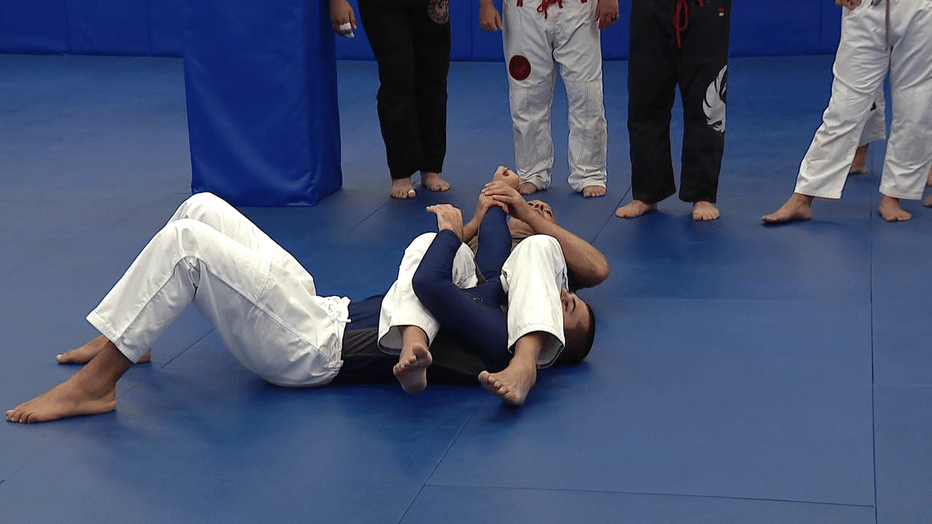
Imagine a police training session where, instead of standard self-defense or baton practice, officers grapple on mats, learning moves straight from the Ultimate Fighting Championship (UFC) playbook. In some U.S. police departments, this is becoming reality—raising big questions about the future of policing, use of force, and community trust.
The Trend: Real Fighting Skills for Real-Life Encounters
Inside a suburban Seattle municipal building, Rener Gracie, a towering black belt in Brazilian jiu-jitsu, leads police academy recruits through high-pressure scenarios. One officer plays the “bad guy”, snarling and posturing, while another is tasked with de-escalation and eventual restraint. This isn’t just for show: Gracie’s methods are now part of regular training at the Bellevue Police Department, and interest has soared—especially after the 2020 demand for police reform.
According to Gracie, law enforcement involvement with his “Gracie Jiu-Jitsu” has spiked from about 12-15 courses a year to over 75 annually. Bellevue’s police chief, Wendell Shirley, says the method offers a less violent and potentially safer alternative to traditional force: “It’s not about overpowering someone with brute force. Jiu-jitsu’s about compliance and taking someone into custody without injuries.”
Training, Stats, and the UFC Effect
The statistics are honestly eye-opening. Police recruits in California, for example, only need 664 hours of training to graduate—less than what’s required for a cosmetology license. After graduating, officers typically undergo just four hours of use-of-force training every two years. Gracie argues that such minimal preparation leaves police “underprepared for physical altercations,” which may lead officers to use higher levels of force than necessary.
The UFC, home to some of the world’s best martial artists, blends Brazilian jiu-jitsu, wrestling, boxing, and Muay Thai. While the idea of bringing UFC skills to police work might sound wild—even “surreal” or “wacky” to some FBI agents—Gracie points out that his family’s been training police and military worldwide for decades. In fact, the Gracies’ legacy in the U.S. began after the Rodney King incident, when Gracie’s father helped review L.A.P.D. training methods.
On the Ground: Experience from the Mat
Patrol officers in Bellevue now regularly don white gi uniforms and practice controlling suspects without causing injury. They drill scenarios involving attacks from behind and learn to protect their weapons—all while using moves refined over nearly a century.
A key Gracie technique, coined the “safewrap,” even shifts the typical approach. Instead of forcing suspects face-down (a position linked to tragic deaths like Eric Garner’s and George Floyd’s), the safewrap positions them safely on their side, reducing the risk of asphyxiation. Several officers attest that the method helps them restrain larger suspects without excessive pain or injury. As one young officer put it, “I’d never been in a real fight before. But after this training, I felt ready. We used the safewrap in the field, and it worked—no complaints from the suspect.”
Perspectives: Support and Skepticism
Supporters say bringing martial arts expertise into law enforcement is an overdue innovation. It supposedly equips police with more effective—and less risky—options than traditional strikes or restraints. The training focus on technique and control rather than brute force is touted as a win for both officer safety and community trust.
But critics aren’t convinced. Some see even the gentlest grappling as part of a larger “warrior culture” in policing—an attitude that can distance officers from the citizens they serve. Reform advocates argue that any escalation to physical conflict carries risk, and public perception of force remains fraught. As Bellevue officer Craig Hanaumi said, “Physically compelling somebody to do something is not pleasant to look at.”
Then there’s the issue of training follow-through. Gracie points out that skills taught in intensive seminars often fade when officers “dumb it down to four techniques, trained once a year.” The challenge remains: can agencies support the ongoing, realistic practice needed for these skills to truly improve outcomes?
Looking Forward
With over 250 jiu-jitsu schools worldwide and thousands of law enforcement instructors cycling through Gracie-led seminars, this blend of martial arts and policing isn’t going away soon. Whether it makes policing safer or entrenches old practices depends on how it’s adopted, how much officers actually train, and whether the public comes to see controlled grappling as progress—or just more of the same. For now, the debate on police training—and the role of UFC-style techniques in 21st-century law enforcement—remains far from settled.
Source: www.newyorker.com