
Mailbag: Top three strategies for a successful UFC retirement and maintaining that decision
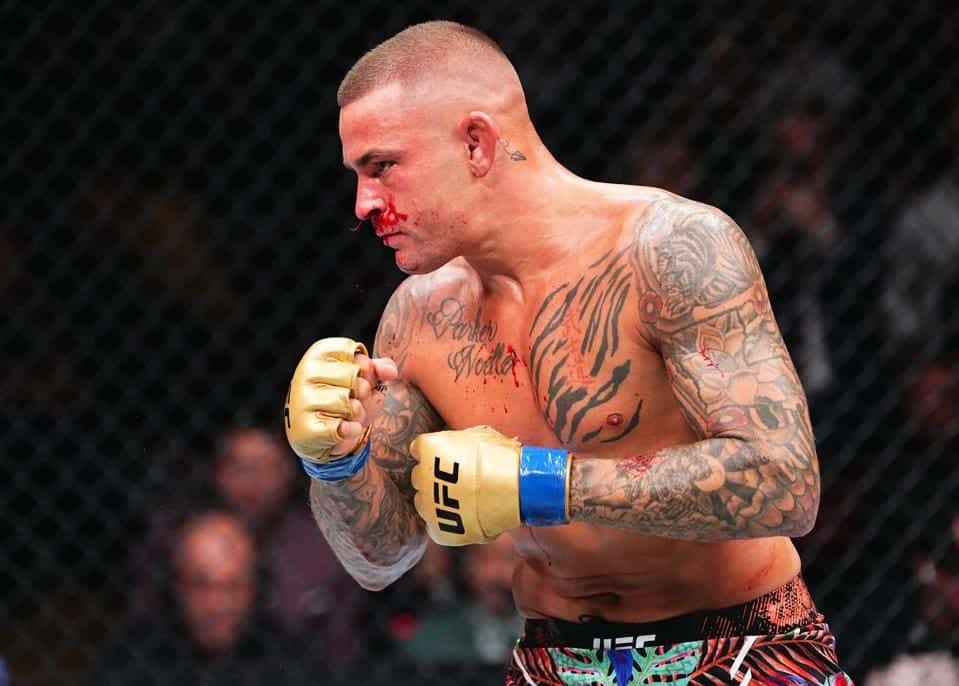
Retirement in the UFC is often as dramatic and unpredictable as the careers that precede it. With countless examples of both triumphant exits and reluctant returns, the question remains: what are the top strategies for leaving the sport on one’s own terms and actually sticking to that decision? In a world where comebacks are common and the spotlight never truly fades, walking away isn’t just about saying goodbye—it’s about redefining the rest of your life.
The Challenge of a Definitive Goodbye
UFC fighters often face intense physical wear and mental pressure throughout their careers, making retirement a highly personal and difficult decision. According to the UFC, there were upwards of 30 retirements in 2023 alone, yet several of those fighters either teased a comeback or returned to competition within months. The lure of the octagon, whether for financial reasons or the simple thrill of competition, is tough to resist.
Three Proven Retirement Models
Over the years, a few high-profile fighters have provided blueprints for successful retirement—models that go beyond just quitting and offer strategies to genuinely maintain the decision.
- The Legacy-Builder (Khabib Nurmagomedov Model): After a dominant, undefeated career, Khabib retired at the peak of his powers. Instead of vanishing, he stayed deeply involved as a coach and mentor, guiding a new generation while channeling his experience into their victories. This model relies on transferring passion to others, finding fulfillment in their success, but experts warn it’s not without risk—spending too much time in the fight world can tempt even the most resolute back into competition.
- The Opportunist (Georges St-Pierre Model): Georges St-Pierre left the UFC while still at the top, returning sparingly for special opportunities identified through a cold, logical approach. By limiting returns to rare occasions with a defined goal, then slipping away again, this model combines financial stability with strategic appearances. “The discipline to walk away, even after a big win, sets a precedent,” says former UFC fighter Brian Stann. “It’s about controlling your own narrative.”
- The Vanisher (Cole Konrad Model): Less famous but just as impressive, Cole Konrad retired undefeated as Bellator’s heavyweight champ and left combat sports entirely, opting for a regular career in Minnesota with no coaching, competing, or even watching fights. According to sports psychologist Dr. Lisa Phelps, “This full break helps preserve personal identity and mental health by not remaining attached to a past profession.”
Obstacles and Diverging Perspectives
Not every fighter finds closure so easily. Financial security is a key factor: UFC Hall of Famer Michael Bisping notes, “It’s easier to walk away if you’re set for life.” Conversely, some fighters struggle financially post-retirement, leading to second thoughts.
Personal identity also plays a critical role. “When you’ve been a fighter your entire adult life, stepping away can feel like losing a part of yourself,” shares retired lightweight Danny Downes. That’s why the ‘vanisher’ approach can be a struggle, with temptation never fully disappearing for those who still feel a connection to their fighting days.
Is a Perfect Retirement Possible?
Ultimately, the right retirement strategy is unique to each fighter. For some, remaining active as a mentor brings purpose and satisfaction. For others, a complete break is vital for well-being. The one constant is the importance of making the decision based on personal values, financial security, and mental readiness, rather than pressure from fans, promoters, or nostalgia.
As the sport evolves and more attention is paid to fighter well-being, these models may guide a new generation to leave the octagon with dignity—and perhaps, for good.
Source: sports.yahoo.com