
Exploring the evolution and teams of the Women’s National Basketball Association (WNBA
Exploring the Evolution and Teams of the Women’s National Basketball Association (WNBA)
When the Women’s National Basketball Association (WNBA) tipped off for the first time back in 1997, few could have predicted the lasting impact it would have on professional sports in America. As crowds gathered, they weren’t just witnessing the birth of a league—they were seeing the start of a cultural shift that put women athletes squarely in the national spotlight.
Origins and Growth
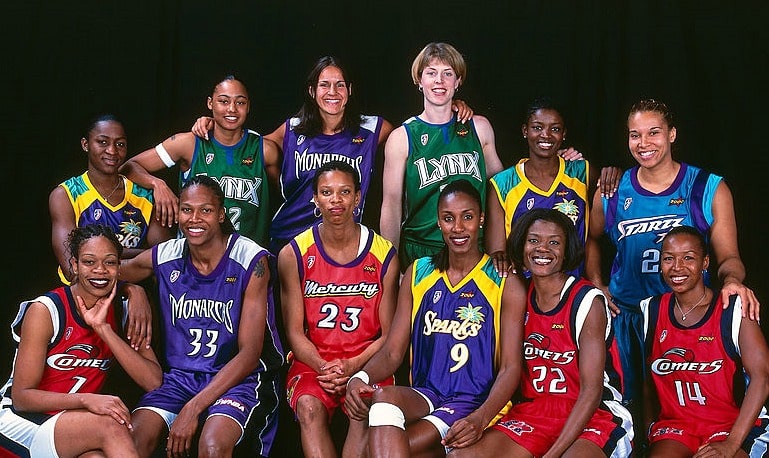
The WNBA was created by the NBA’s Board of Governors as a women’s counterpart to the men’s league. From the beginning, there were eight teams, each serving as basketball’s new torchbearers for women in cities already vibrant with NBA history. These franchises proudly sported nicknames and team colors reminiscent of their NBA siblings, building instant recognition and loyalty. Until 2002, all franchises were NBA-owned. But when independence came knocking, the league allowed new ownership models—even in cities without NBA teams—widening its reach and drawing in diverse communities.
League Expansion
The league, now featuring 13 teams, continues to expand. After its early days, all signs have pointed to growth, with new teams—like the Golden State Valkyries—joining the Western Conference. Upcoming expansion will add franchises in Portland and Toronto (2026), Cleveland (2028), Detroit (2029), and Philadelphia (2030). This steady increase shows just how much demand there is for women’s professional basketball, both in major cities and across new markets.
Achievements on the Court
Dominance defined the early years, with powerhouse teams like the Houston Comets seizing the first four WNBA championships, led by superstars Cynthia Cooper and Sheryl Swoopes. As the WNBA gained momentum, especially after the American Basketball League dissolved in 1999, athletes such as Rebecca Lobo, Lisa Leslie, and Lauren Jackson transcended the sport, creating household names and heroes for a new generation.
Notable Champions
Over time, teams like the Seattle Storm, Los Angeles Sparks, Minnesota Lynx, and more recently, the Las Vegas Aces and New York Liberty, have all left their mark on the championship stage. If you check the record books, you’ll see recurring rivalries, tight finals, and championship moments that have become part of basketball folklore.
Expert and Player Perspectives
According to league officials, much of the WNBA’s success comes from “layered investments in grassroots programs and media visibility.” Sports analyst Adam Augustyn notes, “It’s not just about the game. The WNBA has rewritten what’s possible for female athletes and sports fans alike.” Fans and former team members underscore the atmosphere of inclusivity and resilience: “Every team and every season teaches us about overcoming challenges—on and off the court,” says a veteran player.
Balanced Reflections and Diverse Voices
Of course, perspectives on the WNBA are as varied as the crowds it attracts. Some appreciate its rapid progress, while others point to ongoing challenges like pay gaps and media coverage disparities. The recent surge of attention surrounding players such as Caitlin Clark has sparked conversations about gender fairness and representation in basketball. For more on this debate, you can read about the criticism and support, both in the WNBA and NBA communities.
Looking Ahead
The WNBA continues to make history—one expansion, one unforgettable playoff, and one rising star at a time. With more cities joining the league and its influence expanding, the future is wide open for the next wave of athletes, fans, and milestones in women’s sports.
Source: www.britannica.com